
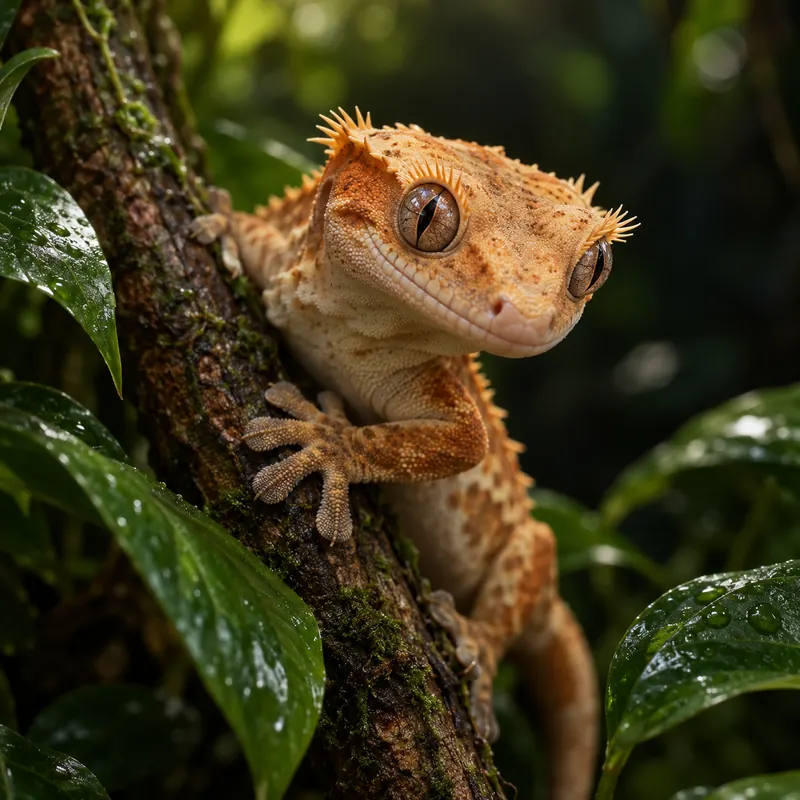
The first week is about leaving your new gecko alone. It has just been moved, boxed and put somewhere that smells and looks completely new. The best thing you can do is have a setup that already works, then give it quiet time to settle while you watch from a distance.
Before the day
- The terrarium has run for about a week with steady temperatures and a humidity cycle you understand. The RSPCA recommends running the vivarium for a week before the gecko arrives.
- You have a reptile vet’s number. The RSPCA advises registering with a specialist reptile vet in advance.
- A quarantine plan if you keep other reptiles (see below).
- Food is ready: a complete powdered diet and a feeding ledge with cups.
Day one: the trip home
The RSPCA suggests transporting a gecko in a ventilated plastic container lined with soft, absorbent paper, avoiding extreme temperatures and keeping the journey short. A small tub with air holes inside an insulated bag works well. Do not leave it in a hot car.
At home:
- Open the tub inside the terrarium, or gently tip the gecko onto a branch or leaf near the bottom.
- Close the door and leave the room.
- Mist lightly in the evening, as usual, so there are droplets to drink.
- Put out a small cup of fresh diet and a water dish.
That is it. No handling, no showing it to visitors.
Days two to seven: watch, don’t touch
The RSPCA says not to handle a new crested gecko in its first week. ReptiFiles suggests waiting two weeks before handling begins. Use this time to observe and to check the setup.
Each day:
- Check the top temperature and the humidity after misting.
- Mist each evening and let the terrarium dry out after.
- Offer fresh diet in the evening. The RSPCA advises removing uneaten diet daily.
- Change the water.
- Spot clean any waste.
What is normal:
- Hiding all day. Crested geckos are most active at dawn, dusk and night, so they rest by day, in leaves or cork bark, and come out at dusk.
- Eating very little. A gecko that has just moved may eat only a little. Small lick marks in the diet are a good sign.
- Moving around a lot at night as it explores.
What is worth a closer look:
- Sitting on the floor all the time, especially near a hot spot. Check temperatures.
- Weakness or limpness on a warm day. Cool the room, and call your vet if it does not improve.
- No sign of eating after the first week. See the feeding notes below.
Feeding in week one
Offer the complete diet every evening for a juvenile. For an adult, every evening for a few days is fine while you learn what it likes, then settle into the ReptiFiles schedule of every two to three days. Hold off on live insects until the gecko is eating its diet and moving around confidently.
If it shows no interest:
- Check the top of the terrarium sits in the range on the lighting and heating page. ReptiFiles links cool temperatures at or below 72°F (22°C) to poor appetite.
- Move the feeding cup closer to where the gecko sleeps.
- Try a different flavor or brand.
The diet guide covers the full schedule.
Quarantine if you keep other reptiles
A new reptile can carry parasites or infections that do not show at first. WikiVet’s veterinary guidance advises quarantine of 90 to 180 days for reptiles joining a collection, in a separate room with no shared air, and notes even 90 days may not catch some diseases.
For a home keeper, the practical version is:
- A separate room if possible, or at least as far from other reptiles as you can manage.
- Separate tools, dishes and sprayers.
- Care for the new gecko last, then wash your hands.
- Ask your vet about a fecal (poop) test for parasites.
If this is your only reptile, quarantine is not needed, but a vet check still is.
The first vet check
The RVC recommends a yearly health check for pet reptiles, because problems are easier to treat when found early. A visit soon after you bring the gecko home gives you a baseline weight and a chance to ask questions. PetMD suggests bringing photos of the enclosure, diet, and lighting and heating equipment, with the package details.
When to start handling
After the first week (or two, per ReptiFiles), start slowly:
- Short sessions. ReptiFiles suggests about 5 minutes every other day to begin, rising to 15 minutes once the gecko is calm, and under 20 minutes a day even when tame. The RSPCA suggests around 10 minutes at a time.
- Let it walk onto your hand, as the RSPCA advises, rather than grabbing it.
- Sit low over something soft, like a bed or couch. Crested geckos jump, and ReptiFiles recommends a soft landing spot.
- Let it “walk” hand to hand. ReptiFiles calls this treadmilling: hold one hand in front of the other and let the gecko step or hop forward.
- Never hold the tail. Crested geckos can drop their tail when stressed, and it does not grow back. The RSPCA and RVC both warn about this.
- Wash your hands before and after. The RVC notes all reptiles can carry Salmonella.
Common first-week worries
“It hasn’t come out at all.” That is normal for a gecko that rests by day. Look in the evening, with the room lights low.
“It jumped at the glass when I opened the door.” Move slowly and open the door only when you need to. Do your misting and feeding at the same time each evening so the routine becomes predictable.
“The humidity dropped to 45% by morning.” That fits the dry-out ReptiFiles describes. Mist again in the evening.
Keep a simple log
ReptiFiles suggests a weekly record of weight, feeding, behavior and shedding. A notebook or phone note is enough. It makes changes easy to spot and gives your vet useful information.
Set it up, put the gecko in, and step back. A crested gecko that is left in peace for its first week, in a terrarium that holds steady, usually settles in on its own schedule.