
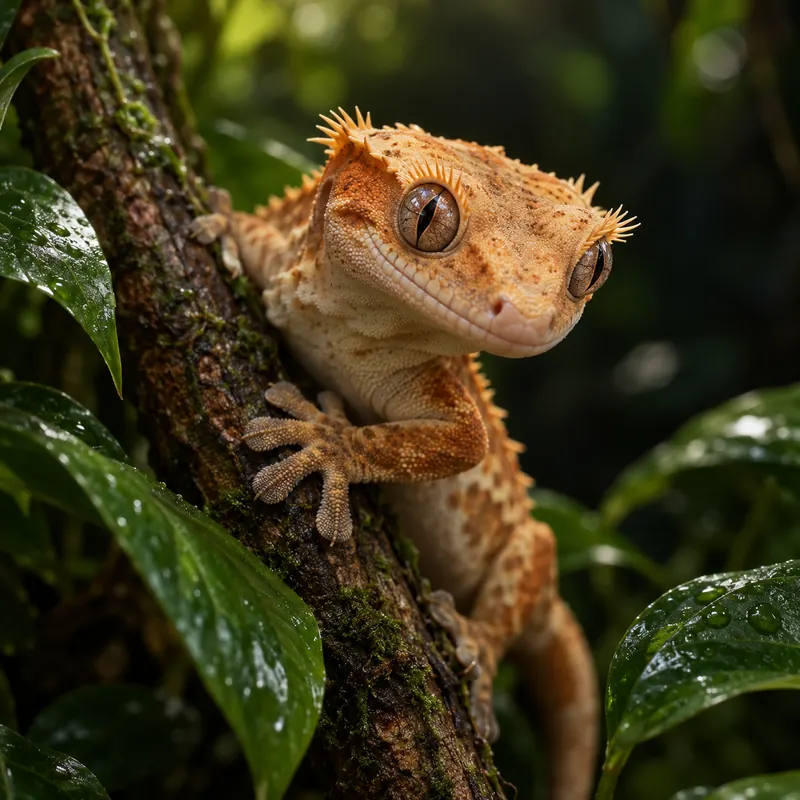
A crested gecko setup is a tall glass terrarium, a low-output UVB tube, a digital gauge with a probe at the top, a cork hide, plenty of leafy cover, a moisture-holding floor, a way to mist every evening, a feeding ledge, a complete powdered diet and calcium for insects. In a cool room you also need a small heat lamp, a dome and a dimming thermostat. The gecko itself is usually the small part of the bill: the terrarium alone tends to cost more than everything else in the list put together, and all of it should be running and checked for about a week before the gecko comes home, as the RSPCA advises.
Below are three complete builds (budget, mid-range and premium), each totaled from today’s Amazon prices, followed by where cutting costs is risky and where it is fine. Picks are based on the care guidance cited at the bottom of this page and on the makers’ own listings; we have not tested them ourselves.
The short version
-
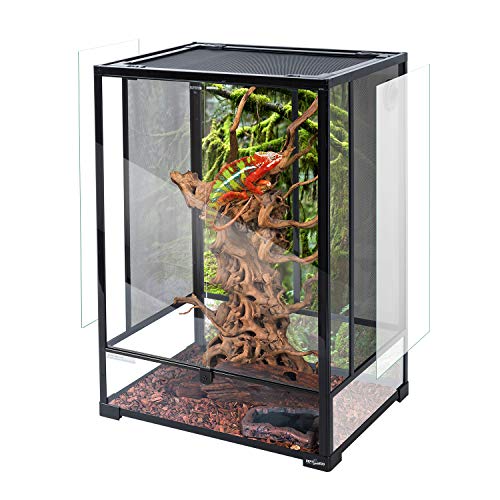
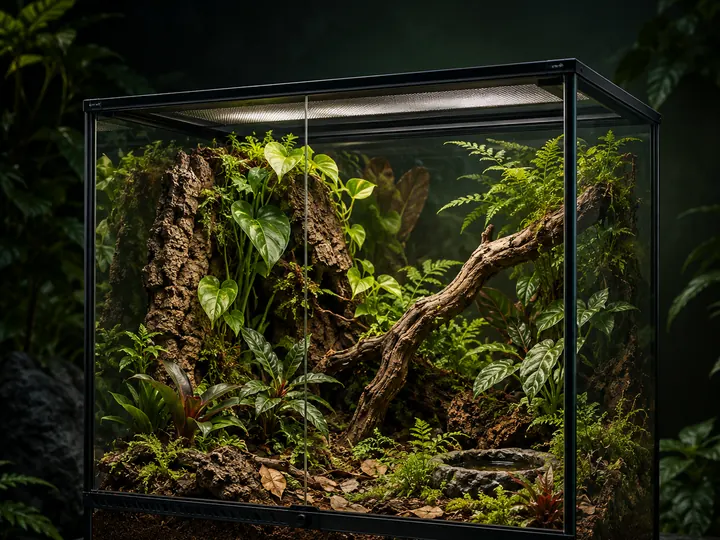 Tall terrarium REPTI ZOO Tall Glass Terrarium, 24 x 18 x 36 in $208.99iPrice as of Oct 16, 8:01 AM UTC. Product prices and availability are accurate as of the date/time indicated and are subject to change. Any price and availability information displayed on Amazon at the time of purchase will apply to the purchase of this product. Amazon
 - Tall terrarium REPTI ZOO Tall Glass Terrarium, 24 x 18 x 36 in Amazon UK
-

 UVB kit Arcadia ShadeDweller ProT5 UVB Kit (7%, 8 W, 12 in) Amazon
 - UVB kit Arcadia ShadeDweller ProT5 UVB Kit (7%, 8 W, 12 in) Amazon UK
-
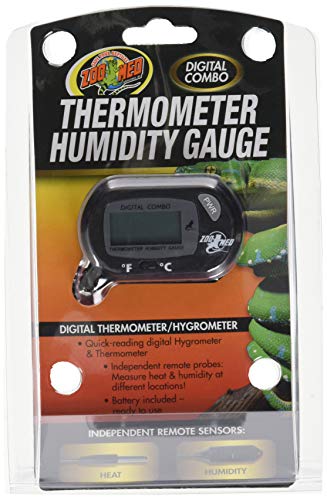
 Thermometer and hygrometer Zoo Med Digital Thermometer and Humidity Gauge (TH-31) $12.99iPrice as of Oct 16, 8:01 AM UTC. Product prices and availability are accurate as of the date/time indicated and are subject to change. Any price and availability information displayed on Amazon at the time of purchase will apply to the purchase of this product. Amazon
 - Thermometer and hygrometer Zoo Med Digital Thermometer and Humidity Gauge (TH-31) Amazon UK
-
 Hand sprayer One-hand pressure sprayer, about 1 liter $24.59iPrice as of Oct 16, 8:01 AM UTC. Product prices and availability are accurate as of the date/time indicated and are subject to change. Any price and availability information displayed on Amazon at the time of purchase will apply to the purchase of this product. Amazon
 - Hand sprayer One-hand pressure sprayer, about 1 liter Amazon UK
-
 Feeding ledge Komodo 2-Cup Magnetic Feeding Ledge $25.99iPrice as of Oct 16, 8:01 AM UTC. Product prices and availability are accurate as of the date/time indicated and are subject to change. Any price and availability information displayed on Amazon at the time of purchase will apply to the purchase of this product. Amazon
 - Feeding ledge Komodo 2-Cup Magnetic Feeding Ledge Amazon UK
-

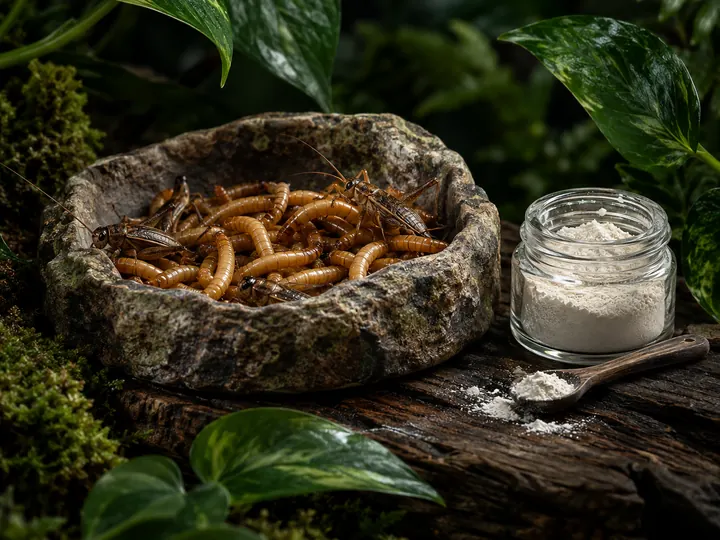 Complete diet Pangea Gecko Diet with Fig and Insects, 2 oz $13.99iPrice as of Oct 16, 8:01 AM UTC. Product prices and availability are accurate as of the date/time indicated and are subject to change. Any price and availability information displayed on Amazon at the time of purchase will apply to the purchase of this product. Amazon
 - Complete diet Pangea Gecko Diet with Fig and Insects, 2 oz Amazon UK
-
 Calcium for insects Zoo Med Repti Calcium without D3 $7.99iPrice as of Oct 16, 8:01 AM UTC. Product prices and availability are accurate as of the date/time indicated and are subject to change. Any price and availability information displayed on Amazon at the time of purchase will apply to the purchase of this product. Amazon
 - Calcium for insects Zoo Med Repti Calcium without D3 Amazon UK
Prices from Amazon as of Oct 16, 8:01 AM UTC and may change. Details
The three builds
Everything the animal needs, nothing extra.
- Enclosure REPTI ZOO Tall Glass Terrarium, 24 x 18 x 36 in Tall beats long: 36 in (90 cm) high for an adult. $208.99 Buy
-
 UVB light Zoo Med ReptiSun T5 HO 5.0 UVB Terrarium Hood, 14 in A low-output linear T5 tube with shade below, never a coil bulb. $59.98 Buy
 -
 Heat lamp (optional) Zoo Med Basking Spot Lamp, 25 W (2 pack) Only if your room runs cool. Off at night. $20.96 Buy
 -
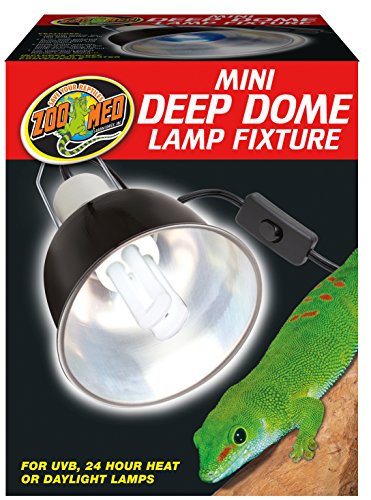 Lamp dome (optional) Zoo Med Mini Deep Dome Lamp Fixture, 5.5 in Only with a heat lamp. It sits on the mesh, outside the terrarium. $21.98 Buy
 -
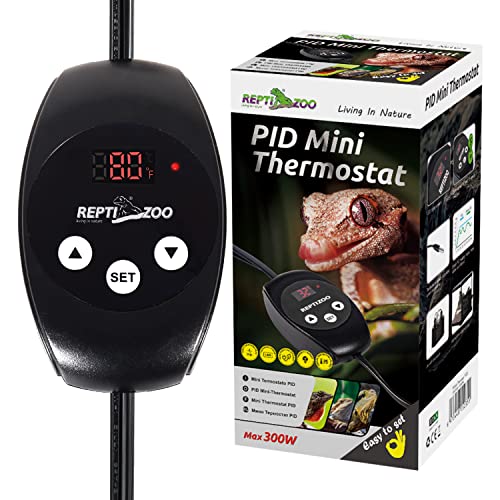 Dimming thermostat (optional) REPTIZOO Dimming Thermostat (PID) Required with any heat lamp: 85°F (29°C) is the danger line. $27.99 Buy
 - Thermometer and hygrometer Zoo Med Digital Thermometer and Humidity Gauge (TH-31) Probe at the top branch. $12.99 Buy
-
 Hides and climbing Zoo Med Natural Cork Bark Round, Large Wedge it firmly; add branches at every height. $23.99 Buy
 -
 Substrate Zoo Med Eco Earth Coconut Fiber, 1 brick Paper towel for geckos under about 13 g. $12.98 Buy
 -
 Plants for cover Exo Terra Amapallo Forest Shrub, Large (2 pack) $31.98 Buy
 - Misting One-hand pressure sprayer, about 1 liter One good mist every evening, then let it dry out. $24.59 Buy
- Feeding ledge Komodo 2-Cup Magnetic Feeding Ledge One cup for diet, one for water. $25.99 Buy
- Complete diet Pangea Gecko Diet with Fig and Insects, 2 oz Rotate flavors or brands. $13.99 Buy
- Calcium for insects Zoo Med Repti Calcium without D3 Without D3 when you provide UVB. $7.99 Buy
Sturdier gear and easier day-to-day care.
-
 Enclosure Zen Habitats 3.0 Reptile Enclosure, 2 x 2 x 4 ft Tall beats long: 36 in (90 cm) high for an adult. $322.15 Buy
 - UVB light Zoo Med ReptiSun T5 HO 5.0 UVB Terrarium Hood, 14 in A low-output linear T5 tube with shade below, never a coil bulb. $59.98 Buy
- Heat lamp (optional) Zoo Med Basking Spot Lamp, 25 W (2 pack) Only if your room runs cool. Off at night. $20.96 Buy
- Lamp dome (optional) Zoo Med Mini Deep Dome Lamp Fixture, 5.5 in Only with a heat lamp. It sits on the mesh, outside the terrarium. $21.98 Buy
-
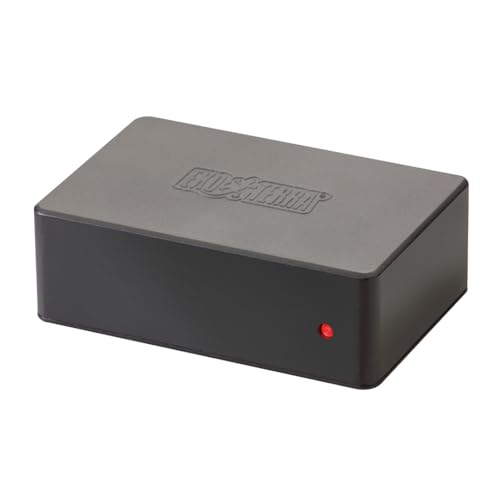 Dimming thermostat (optional) Exo Terra Dimming and Pulse Proportional Thermostat Required with any heat lamp: 85°F (29°C) is the danger line. $82.99 Buy
 - Thermometer and hygrometer Zoo Med Digital Thermometer and Humidity Gauge (TH-31) Probe at the top branch. $12.99 Buy
- Hides and climbing Zoo Med Natural Cork Bark Round, Large Wedge it firmly; add branches at every height. $23.99 Buy
- Substrate Zoo Med Eco Earth Coconut Fiber, 1 brick Paper towel for geckos under about 13 g. $12.98 Buy
- Plants for cover Exo Terra Amapallo Forest Shrub, Large (2 pack) $31.98 Buy
- Misting One-hand pressure sprayer, about 1 liter One good mist every evening, then let it dry out. $24.59 Buy
- Feeding ledge Komodo 2-Cup Magnetic Feeding Ledge One cup for diet, one for water. $25.99 Buy
- Complete diet Pangea Gecko Diet with Fig and Insects, 2 oz Rotate flavors or brands. $13.99 Buy
- Calcium for insects Zoo Med Repti Calcium without D3 Without D3 when you provide UVB. $7.99 Buy
The best-made option for each job.
- Enclosure Zen Habitats 3.0 Reptile Enclosure, 2 x 2 x 4 ft Tall beats long: 36 in (90 cm) high for an adult. $322.15 Buy
-
 UVB light Arcadia LumenIZE ProT5 ShadeDweller Kit (7%, 8 W, 13 in) A low-output linear T5 tube with shade below, never a coil bulb. $109.99 Buy
 - Heat lamp (optional) Zoo Med Basking Spot Lamp, 25 W (2 pack) Only if your room runs cool. Off at night. $20.96 Buy
- Lamp dome (optional) Zoo Med Mini Deep Dome Lamp Fixture, 5.5 in Only with a heat lamp. It sits on the mesh, outside the terrarium. $21.98 Buy
- Dimming thermostat (optional) Exo Terra Dimming and Pulse Proportional Thermostat Required with any heat lamp: 85°F (29°C) is the danger line. $82.99 Buy
- Thermometer and hygrometer Zoo Med Digital Thermometer and Humidity Gauge (TH-31) Probe at the top branch. $12.99 Buy
- Hides and climbing Zoo Med Natural Cork Bark Round, Large Wedge it firmly; add branches at every height. $23.99 Buy
- Substrate Zoo Med Eco Earth Coconut Fiber, 1 brick Paper towel for geckos under about 13 g. $12.98 Buy
- Plants for cover Exo Terra Amapallo Forest Shrub, Large (2 pack) $31.98 Buy
-
 Misting MistKing Starter Misting System One good mist every evening, then let it dry out. $199.99 Buy
 - Feeding ledge Komodo 2-Cup Magnetic Feeding Ledge One cup for diet, one for water. $25.99 Buy
- Complete diet Pangea Gecko Diet with Fig and Insects, 2 oz Rotate flavors or brands. $13.99 Buy
- Calcium for insects Zoo Med Repti Calcium without D3 Without D3 when you provide UVB. $7.99 Buy
Everything the animal needs, nothing extra.
-
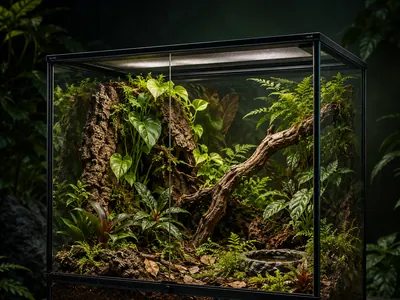 Enclosure REPTI ZOO Tall Glass Terrarium, 24 x 18 x 36 in Tall beats long: 36 in (90 cm) high for an adult. Buy
 -
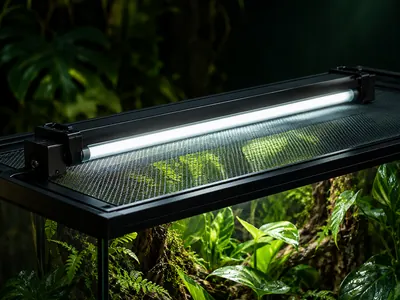 UVB light Arcadia LumenIZE ProT5 ShadeDweller Kit (7%, 8 W, 13 in) A low-output linear T5 tube with shade below, never a coil bulb. Buy
 -
 Heat lamp (optional) Zoo Med Basking Spot Lamp, 25 W (2 pack) Only if your room runs cool. Off at night. Buy
 - Lamp dome (optional) Zoo Med Mini Deep Dome Lamp Fixture, 5.5 in Only with a heat lamp. It sits on the mesh, outside the terrarium. Buy
- Dimming thermostat (optional) Habistat Dimming Thermostat, Classic Range (600 W) Required with any heat lamp: 85°F (29°C) is the danger line. Buy
-
 Thermometer and hygrometer Zoo Med Digital Thermometer and Humidity Gauge (TH-31) Probe at the top branch. Buy
 - Hides and climbing Zoo Med Natural Cork Bark Round, Large Wedge it firmly; add branches at every height. Buy
- Substrate Exo Terra Plantation Soil, 8.8 L brick Paper towel for geckos under about 13 g. Buy
- Plants for cover Exo Terra Amapallo Forest Shrub, Large (2 pack) Buy
- Misting One-hand pressure sprayer, about 1 liter One good mist every evening, then let it dry out. Buy
- Feeding ledge Komodo 2-Cup Magnetic Feeding Ledge One cup for diet, one for water. Buy
-
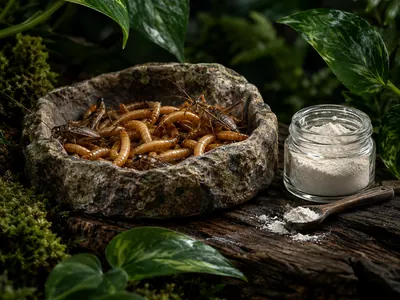 Complete diet Pangea Gecko Diet with Fig and Insects, 2 oz Rotate flavors or brands. Buy
 - Calcium for insects Zoo Med Repti Calcium without D3 Without D3 when you provide UVB. Buy
Sturdier gear and easier day-to-day care.
- Enclosure REPTI ZOO Tall Glass Terrarium, 24 x 18 x 36 in Tall beats long: 36 in (90 cm) high for an adult. Buy
- UVB light Arcadia LumenIZE ProT5 ShadeDweller Kit (7%, 8 W, 13 in) A low-output linear T5 tube with shade below, never a coil bulb. Buy
- Heat lamp (optional) Zoo Med Basking Spot Lamp, 25 W (2 pack) Only if your room runs cool. Off at night. Buy
- Lamp dome (optional) Zoo Med Mini Deep Dome Lamp Fixture, 5.5 in Only with a heat lamp. It sits on the mesh, outside the terrarium. Buy
- Dimming thermostat (optional) Habistat Dimming Thermostat, Classic Range (600 W) Required with any heat lamp: 85°F (29°C) is the danger line. Buy
- Thermometer and hygrometer Zoo Med Digital Thermometer and Humidity Gauge (TH-31) Probe at the top branch. Buy
- Hides and climbing Zoo Med Natural Cork Bark Round, Large Wedge it firmly; add branches at every height. Buy
- Substrate Exo Terra Plantation Soil, 8.8 L brick Paper towel for geckos under about 13 g. Buy
- Plants for cover Exo Terra Amapallo Forest Shrub, Large (2 pack) Buy
- Misting One-hand pressure sprayer, about 1 liter One good mist every evening, then let it dry out. Buy
- Feeding ledge Komodo 2-Cup Magnetic Feeding Ledge One cup for diet, one for water. Buy
- Complete diet Pangea Gecko Diet with Fig and Insects, 2 oz Rotate flavors or brands. Buy
- Calcium for insects Zoo Med Repti Calcium without D3 Without D3 when you provide UVB. Buy
The best-made option for each job.
- Enclosure REPTI ZOO Tall Glass Terrarium, 24 x 18 x 36 in Tall beats long: 36 in (90 cm) high for an adult. Buy
- UVB light Arcadia LumenIZE ProT5 ShadeDweller Kit (7%, 8 W, 13 in) A low-output linear T5 tube with shade below, never a coil bulb. Buy
- Heat lamp (optional) Zoo Med Basking Spot Lamp, 25 W (2 pack) Only if your room runs cool. Off at night. Buy
- Lamp dome (optional) Zoo Med Mini Deep Dome Lamp Fixture, 5.5 in Only with a heat lamp. It sits on the mesh, outside the terrarium. Buy
- Dimming thermostat (optional) Habistat Dimming Thermostat, Classic Range (600 W) Required with any heat lamp: 85°F (29°C) is the danger line. Buy
- Thermometer and hygrometer Zoo Med Digital Thermometer and Humidity Gauge (TH-31) Probe at the top branch. Buy
- Hides and climbing Zoo Med Natural Cork Bark Round, Large Wedge it firmly; add branches at every height. Buy
- Substrate Exo Terra Plantation Soil, 8.8 L brick Paper towel for geckos under about 13 g. Buy
- Plants for cover Exo Terra Amapallo Forest Shrub, Large (2 pack) Buy
- Misting MistKing Starter Misting System One good mist every evening, then let it dry out. Buy
- Feeding ledge Komodo 2-Cup Magnetic Feeding Ledge One cup for diet, one for water. Buy
- Complete diet Pangea Gecko Diet with Fig and Insects, 2 oz Rotate flavors or brands. Buy
- Calcium for insects Zoo Med Repti Calcium without D3 Without D3 when you provide UVB. Buy
Totals add up the essential items at today's Amazon prices; optional items are listed but not counted. Prices change, so treat totals as a guide.
Prices from Amazon as of Oct 16, 8:01 AM UTC and may change. Details
Each column is a complete setup. The total adds up the essential items at today’s Amazon prices, so it moves a little from day to day. Where a level has no better option worth paying for, such as the gauge or the feeding ledge, all three columns show the same item. The heat lamp, dome and thermostat are marked optional and left out of the totals, because a crested gecko in a warm room may not need heat at all. If your room runs cool, add all three: ReptiFiles warns that sustained temperatures of 72°F (22°C) or lower risk lethargy, poor appetite and illness. To build your own list from what you already own, try the Setup Assistant.
Where not to save
Heat control. A crested gecko needs less heat than almost any other pet lizard, and the real danger is too much of it. ReptiFiles links sustained temperatures above 85°F (29°C) to stress and heat stroke, and PetMD advises against long spells above 80°F (27°C). If you run a heat lamp, it goes on a dimming thermostat with the probe at the top branch, every time. The RVC says heat sources must be attached to a thermostat. A budget dimming thermostat does the same job as a pricier one; what you must not do is skip it, or use an on/off timer in its place. The lighting and heating guide covers where to set it.
Budget dimming thermostat (US)
REPTIZOO Dimming Thermostat (PID)
A lower-cost dimming thermostat made for heat bulbs. It turns the lamp down as the probe nears the set temperature, the type the lighting guide recommends for a bulb.
- Control
- Dimming, PID
- Memory
- Keeps its settings, per the maker
Best for
Putting a firm ceiling on a small heat lamp on a tight budget.
Worth knowing
Put the probe at the top branch and check the reading with a separate thermometer. Set it around 80 to 82°F (27 to 28°C), below the 85°F (29°C) danger line.

Dimming thermostat (UK)
Habistat Dimming Thermostat, Classic Range (600 W)
A UK-made dimming thermostat for heat lamps. It turns the lamp down smoothly as the probe reaches the set temperature instead of switching it fully on and off.
- Max load
- 600 W
- Control
- Dimming
Best for
Running a small basking lamp in a UK terrarium with a firm ceiling on temperature.
Worth knowing
It has a minimum load, so very low-wattage bulbs may not dim correctly. Check the minimum against your bulb before buying.
UVB. Current guidance has moved towards UVB for crested geckos: the RVC says they appear to benefit from it, and the RSPCA asks for a 5 to 7% lamp. Exo Terra’s summary of the Ferguson zone research places them in zone 1, the shade dwellers, so the goal is a gentle, low-output linear tube with plenty of leaves to hide under. A cheaper 5% T5 tube still meets that range; a coil bulb or a tube behind glass does not, because ReptiFiles notes glass and plastic block UVB. Saving here means buying a less fancy fixture, never a weaker kind of lamp.
Mid-range UVB kit
Arcadia ShadeDweller ProT5 UVB Kit (7%, 8 W, 12 in)
A short T5 UVB lamp made for shade-dwelling and crepuscular species, supplied with its fitting and a removable reflector. ReptiFiles names the 12 inch 7% ShadeDweller for adult crested geckos, and the RSPCA asks for a 5 to 7% lamp.
- UVB
- 7% (UVA 17%)
- Power
- 8 W
- Length
- About 12 in (30 cm)
- Type
- T5 with removable reflector
Best for
Giving a crested gecko low-level UVB at the top of a tall terrarium, with shade below.
Worth knowing
ReptiFiles gives a distance of about 8 to 12 in (20 to 30 cm) from lamp to gecko when the lamp sits on a mesh top. Leave plenty of plants and shade, and replace the tube on the maker's schedule.
Enclosure size. This is the most expensive line, and the one most tempting to shrink. Crested geckos live in the branches, so height matters more than floor space. ReptiFiles gives 18 x 18 x 36 in (about 45 x 45 x 90 cm) as the minimum for any gecko over 12 g, while the RSPCA and RVC set a lower bar of about 24 in (60 cm) tall. Every build above uses at least 36 in of height, which meets every source. A short tank sold in a starter kit is a false saving: a crested gecko spends most of its long life at adult size, so you end up buying twice. The enclosure size guide compares the sources.
Budget tall terrarium
REPTI ZOO Tall Glass Terrarium, 24 x 18 x 36 in
A tall glass terrarium with double hinged front doors and a screen top. At 36 in (about 90 cm) high it meets the ReptiFiles adult minimum, and it is 6 in wider than that minimum, which leaves more room for branches and plants.
- Size
- 24 x 18 x 36 in (about 60 x 45 x 90 cm)
- Volume
- 67 gallons
- Material
- Glass
- Access
- Double hinged front doors
- Top
- Screen ventilation
Best for
One adult crested gecko on a budget, with room for a full floor-to-ceiling climbing layout.
Worth knowing
It ships flat and you assemble it. Glass holds humidity well, so let the terrarium dry out between mistings, as the guides advise. One gecko per terrarium.
The gauge. A digital thermometer and hygrometer with a probe is cheap, and it is the only way to know the top branch is below the danger line and that humidity rises after misting and falls again. PetMD advises checking both daily. Stick-on dials are not a saving worth making.
Where saving is fine
Hides and climbing. A crested gecko needs places to sleep in the day and routes from floor to ceiling, not branded decor. The RSPCA suggests cork bark tubes and half coconut shells for hiding, and notes that floppy tail syndrome is linked to a lack of climbing space. Natural cork, wedged firmly, does both jobs. Add branches across and up the terrarium, at different heights and angles.
Climbing hide
Zoo Med Natural Cork Bark Round, Large
A hollow tube of natural cork bark that can stand upright as a climbing hide or lie at an angle as a ramp. The RSPCA suggests cork bark tubes as hiding spots.
- Material
- Natural cork bark
- Size
- Large (varies)
- Model
- CF9-L
Best for
A daytime hide up off the floor, and a climbing route between levels.
Worth knowing
Wedge it firmly so it cannot topple onto the gecko. Natural pieces vary in size.
Plants. Artificial plants are cheaper and easier to clean than live ones, and they give the same cover. Live plants hold water droplets for drinking and suit a bioactive setup, but they need a light to grow, so they add to the bill. Start artificial if the budget is tight and convert later.
Artificial plants for cover
Exo Terra Amapallo Forest Shrub, Large (2 pack)
Two large artificial plants to break up sight lines and give the gecko leafy cover to sleep in. The guides ask for enough leaves that the gecko can hide anywhere, and for shade under the UVB lamp.
- Size
- 24 in long x 7 in wide
- Pack
- 2 plants
- Type
- Artificial
Best for
Filling the middle and top of a simple, non-bioactive terrarium.
Worth knowing
Two plants will not fill a tall terrarium on their own. Add branches, and more plants over time. Rinse them when you clean.
Substrate. Plain coconut fiber is one of the cheapest options and one of the ones ReptiFiles recommends, 2 to 4 in (5 to 10 cm) deep. For a juvenile under about 13 g, ReptiFiles suggests paper towel instead, which costs almost nothing. The RSPCA suggests coconut coir too. A bioactive soil mix costs more and only pays off if you commit to the full bioactive setup.
Substrate (US)
Zoo Med Eco Earth Coconut Fiber, 1 brick
A compressed coconut fiber brick that expands in water into a soft, moisture-holding substrate. ReptiFiles lists Eco Earth among suitable crested gecko substrates.
- Material
- Coconut fiber
- Pack
- 1 compressed brick
Best for
A 2 to 4 in (5 to 10 cm) humidity-holding floor layer in a simple setup.
Worth knowing
ReptiFiles suggests paper towel instead for geckos under about 13 g, because of the impaction risk from loose substrate. Keep it damp, not soggy.
Substrate (UK)
Exo Terra Plantation Soil, 8.8 L brick
A compressed coconut fiber brick from Exo Terra. ReptiFiles lists Plantation Soil among suitable crested gecko substrates, and the RSPCA suggests coconut coir.
- Material
- Coconut fiber
- Volume
- 8.8 L when expanded
Best for
A humidity-holding floor layer in a UK terrarium.
Worth knowing
Use paper towel for very small juveniles. Spot clean daily and replace monthly unless the setup is bioactive.
Misting. A one-hand pressure sprayer does the daily evening mist that ReptiFiles advises, and it is all you strictly need. An automatic misting system is a convenience, which is why it only appears in the premium build. It earns its cost if your evenings are unpredictable or you keep more than one terrarium.
Ongoing costs
The setup is a one-off. These are the costs that come back:
- UVB tube. You cannot see UVB fade, so a tube that still lights up may no longer give useful UV. PetMD advises replacing bulbs every six months; the RSPCA and RVC say to follow the maker’s replacement interval. Budget for a new tube, not a new fixture.
- Complete diet. The powdered diet is the main food. ReptiFiles suggests rotating at least three flavors or brands, so expect to keep two or three bags on the go rather than one.
- Insects. Most keepers also offer a few live insects, dusted with calcium just before feeding. ReptiFiles says to use calcium without D3 when you provide UVB.
- Supplements. Calcium lasts a long time at the small amounts used for dusting, but it is a repeat purchase. PetMD and the RVC also suggest a multivitamin some of the time.
- Substrate. In a simple setup, spot clean daily and replace the substrate when it gets dirty or moldy. A bioactive setup needs topping up rather than full changes.
- Electricity. The UVB tube runs about 12 hours a day, as the RSPCA and RVC suggest, plus a heat lamp if your room needs one.
- Vet care. Find a reptile vet before you need one. A check soon after the gecko comes home is a sensible start, and any sudden weight loss, stuck shed or loss of grip is a reason to book a visit.
Spend on height, a low-output UVB tube, a thermostat if you heat, and a gauge you trust, and save on decor, plants and substrate. The supplies list goes through each item in detail, and the setup checklist shows how to put it together and test it before day one.